Understanding Thermal Spring Treatments
How mineral-rich waters work, what conditions they help with, and what to expect during your first visit to a Czech spa town.
What Makes Thermal Springs Special
You've probably heard about spa towns and thermal water treatments, but what's actually happening when you soak in those warm mineral pools? It's not just about relaxation — though that's definitely part of it. The water itself carries dissolved minerals that interact with your body in specific ways.
Czech thermal springs aren't new discoveries. People have been using them for centuries. What's changed is our understanding of why they work. The mineral composition, water temperature, and how long you spend in the water all matter. We're not talking about vague "wellness" here — there's real chemistry involved.
If you're considering your first spa town visit, you'll want to understand what you're getting into. Not every thermal spring suits every person. Some mineral concentrations help with joint pain. Others are better for skin conditions. Temperature ranges vary. Duration of treatment matters. Getting this right makes the difference between a relaxing getaway and a genuinely therapeutic experience.
The Mineral Composition
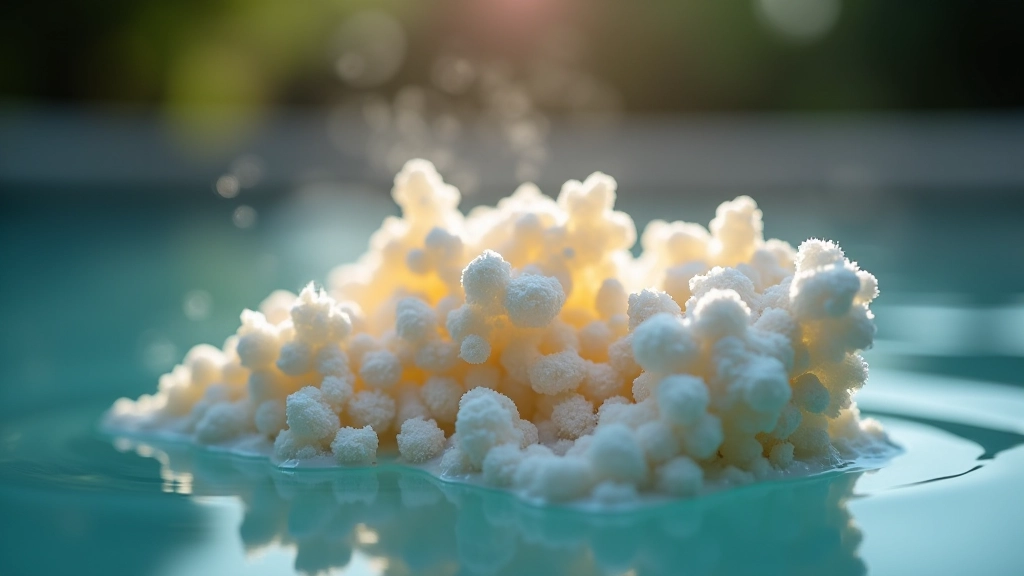
Different Czech thermal springs contain different mineral mixtures. Karlovy Vary is known for high sodium and potassium content. Mariánské Lázně emphasizes iron and sulfur compounds. Teplice focuses on radon and fluoride. These aren't just marketing angles — they're measurable chemical differences that create different effects on your body.
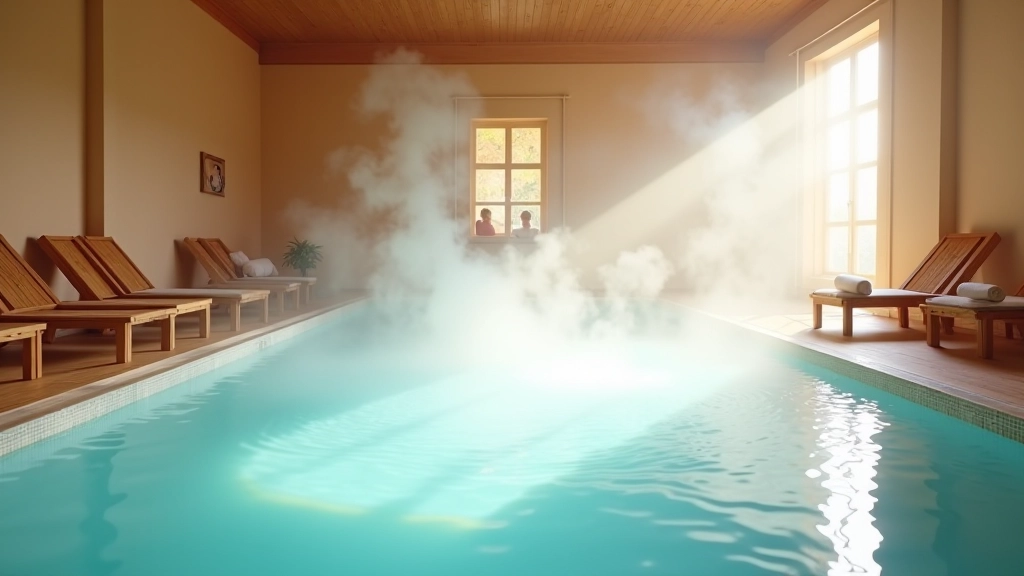
When you soak, minerals don't magically absorb through your skin into your bloodstream. That's not how it works. Instead, the warm mineral water does several things simultaneously. It increases blood circulation in the area being treated. The minerals can interact with your skin surface and hair follicles. The heat itself — usually between 35-42 degrees Celsius — relaxes muscles and reduces inflammation.
The sulfur springs? That distinctive smell isn't a bug, it's a feature. Hydrogen sulfide compounds have been linked to reduced inflammation and improved joint mobility in clinical studies. Radon-rich springs might sound concerning, but the radioactivity levels are minimal and therapeutic use follows strict protocols.
Which Conditions Benefit Most
Thermal spring treatment works best for specific conditions, particularly musculoskeletal issues. Osteoarthritis in knees, hips, and shoulders responds well. People with chronic lower back pain often see real improvement after 2-3 weeks of regular bathing. Rheumatoid arthritis sometimes improves with consistent treatment, though results vary person to person.
Skin conditions like psoriasis and eczema have shown improvement in sulfur-rich springs, but you'll need patience. Visible changes usually take 3-4 weeks of daily or near-daily soaking. That's why spa town stays are typically 2-3 weeks long — shorter visits don't give the treatment time to work.
Joint & Muscle Pain
Arthritis, osteoarthritis, muscle tension. Most responsive to treatment. Heat + minerals reduce inflammation and increase mobility. Typical improvement: 3-4 weeks.
Skin Conditions
Psoriasis, eczema, dermatitis. Sulfur springs particularly helpful. Requires consistent, prolonged exposure. Visible improvement: 3-4 weeks minimum.
Respiratory Issues
Chronic bronchitis, asthma. Inhalation therapy and steam baths help. Iron-rich springs show benefits. Course typically 2-3 weeks.
Post-Injury Recovery
After surgery or significant injury. Thermal water supports rehabilitation. Works alongside physical therapy. 2-4 week stays common.
Important: These aren't cures. They're complementary treatments that work alongside medical care, not instead of it. Your doctor should know you're planning thermal spring treatment, especially if you're on medications or have cardiovascular conditions.
What a Typical Treatment Day Looks Like
You're not just soaking all day, though that's part of it. A structured thermal spring programme includes several components. Mornings typically start with a mineral water bath — usually 15-20 minutes at around 37 degrees Celsius. That's warm enough to feel therapeutic without overheating you.
After the bath, you'll rest for 30-45 minutes. Your body needs time to process the treatment. Then comes massage or physical therapy, often performed by a trained therapist. They'll work on the areas that need attention — joints, muscles, whatever brought you there.
Afternoons might include another shorter bath, drinking the mineral water (yes, it's safe and actually prescribed), or inhalation therapy if that's part of your programme. Evenings are quieter — maybe a gentle mud wrap or just relaxation time. The key thing? It's structured and purposeful, not random pampering.
Most programmes run 5-7 days a week. Rest days aren't laziness — they're part of the healing process. Your body needs recovery time between treatments. That's why 2-3 week stays are standard. It gives the treatment cycle time to work and your body time to adapt.
Preparing for Your First Visit
Going to a Czech spa town isn't complicated, but preparation matters. Here's what you actually need to know before you arrive.
Medical Consultation
Talk to your doctor first. Thermal treatment isn't suitable for everyone. Active infections, unstable heart conditions, and certain medications require caution. You don't need a complex process — just mention you're considering spa treatment and ask if there's anything they'd recommend avoiding.
Choose Your Location & Season
Karlovy Vary, Mariánské Lázně, and Teplice are the major options. Each has different mineral compositions and atmospheres. Spring and autumn are ideal — fewer crowds, comfortable temperatures for walking between treatments. Summer gets busy with tourists. Winter is quieter but can feel isolated if you're seeking an active experience.
Book Through a Sanatorium
Don't just book a hotel and show up to the springs. Work with an established sanatorium or spa resort. They'll create a treatment programme tailored to your needs. They have trained staff, proper facilities, and they'll monitor your response to treatment. It's a structured medical experience, not just a vacation.
Pack Appropriately
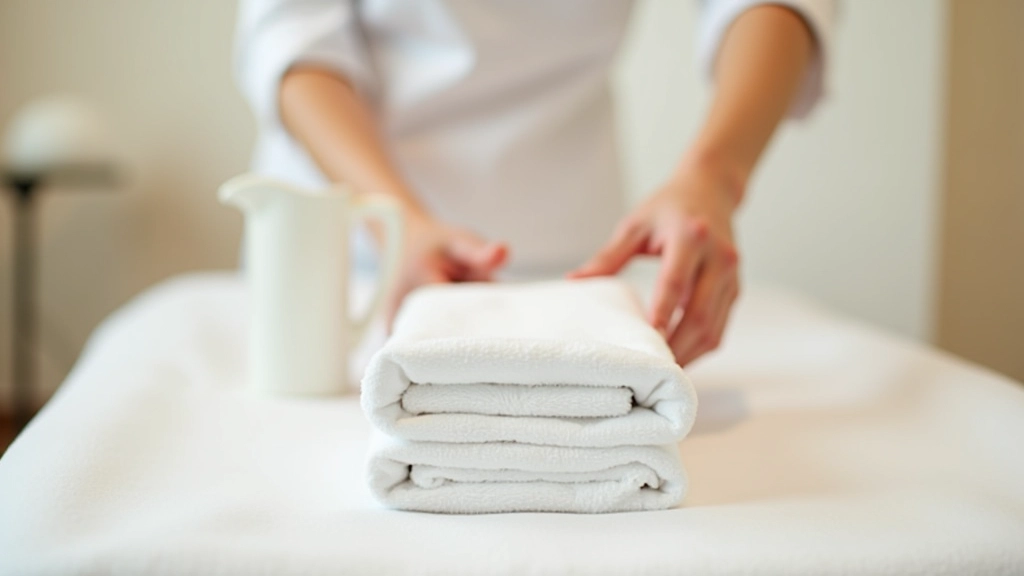
Bring multiple swimsuits (you'll go through them). Bring comfortable clothes for walking and resting between treatments. Pack skincare products if you have sensitive skin — mineral water can be drying. Bring any medications you need. The sanatorium provides towels and bathrobes, but comfortable everyday clothes matter for your overall experience.
Plan for 2-3 Weeks Minimum
Shorter stays can feel rushed. Real benefits emerge over time. Two weeks is reasonable for noticeable improvement. Three weeks is ideal if you can manage it. You'll arrive, your body will adjust (days 2-3 can feel tiring as treatment begins), and then you'll start feeling the benefits around day 7-10.
Managing Your Expectations
Thermal spring treatment isn't magic. It won't eliminate chronic pain permanently, but it can significantly reduce it. It won't cure arthritis, but it can make daily movement easier for months afterward. It's not a quick fix — it's a tool that works best as part of a broader approach to health that includes exercise, proper nutrition, and stress management.
You'll probably feel tired in your first few days. That's your body responding to treatment, not a sign something's wrong. By day 4-5, energy usually improves. You might notice skin changes — either improvement if you're treating a skin condition, or temporary dryness as the minerals work. This normalizes within a few days.
The benefits often extend beyond your stay. Many people report feeling better for 2-6 months after returning home. That's why some people return annually — it's preventive maintenance for their joints and overall wellness. It's not a vacation, but it doesn't feel like a medical ordeal either. Most people describe it as purposeful rest combined with structured care.
Important Information
This article provides educational information about thermal spring treatments and spa town experiences. It's not medical advice. Thermal spring treatment should complement, not replace, professional medical care. Always consult with your doctor before beginning any thermal treatment programme, particularly if you have cardiovascular conditions, active infections, or take medications that might interact with heat exposure or mineral-rich water. Individual results vary significantly based on age, health status, and the specific condition being treated. Some people experience substantial improvement; others see modest changes. Czech sanatoriums employ trained medical staff who'll assess your suitability for treatment and adjust programmes as needed during your stay. The information here reflects established practices and documented responses, but every person's experience is unique.