
Top Spa Towns for Recovery Retreats
Discover established Czech spa destinations with distinct mineral compositions and specializations tailored for your wellness journey
Why Czech Spa Towns Stand Out
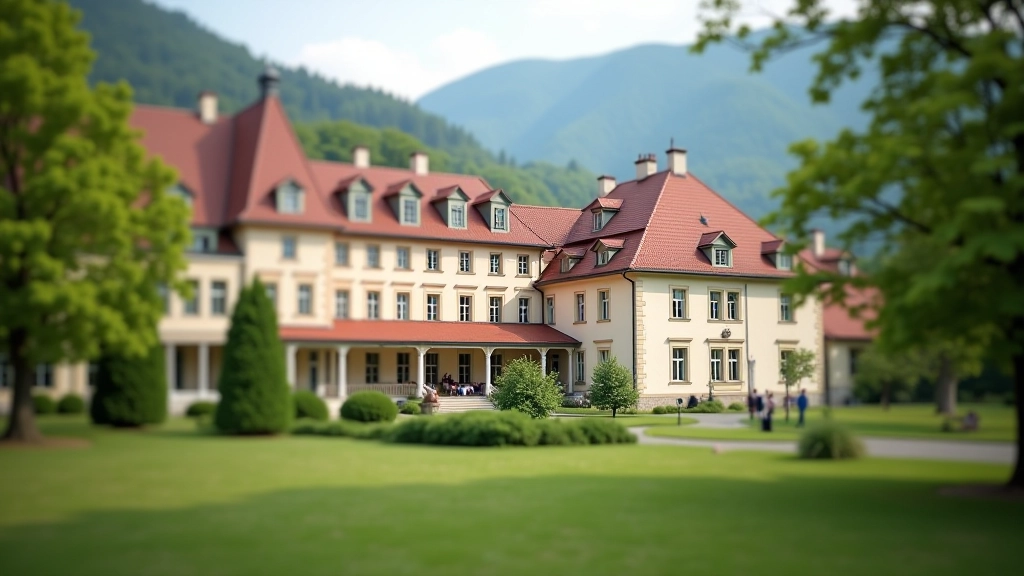
The Czech Republic's spa tradition spans over three centuries. We're talking about places where recovery isn't just marketed—it's embedded in every aspect of the experience. Each town has developed its own specialization based on what's actually in the water beneath their streets.
You'll find towns focused on rheumatic conditions, digestive health, respiratory issues, and general recuperation. The difference between a generic wellness resort and a true spa sanatorium comes down to this: mineral composition. Different springs mean different treatments, different results, different reasons to visit.
Most Czech spas operate year-round and cater specifically to adults seeking structured recovery programmes, not just weekend pampering. That's the distinction worth understanding before you book.
The Major Spa Towns Explained
Each destination offers something specific. Here's what you're actually getting at each location.
Karlovy Vary
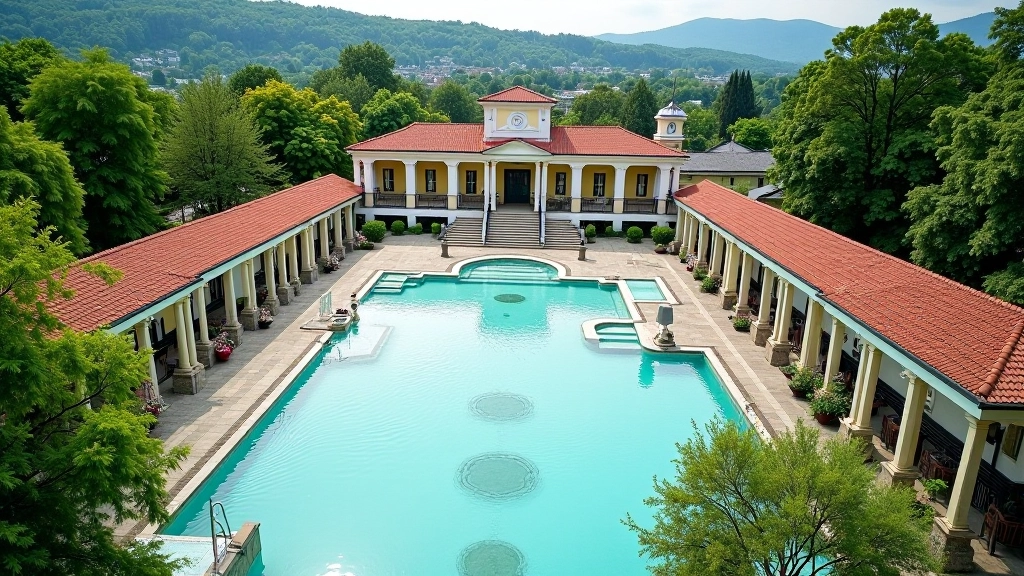
Digestive & MetabolicThe largest and most famous. Karlovy Vary's hot springs (reaching 72°C) are rich in minerals that support digestive system recovery. You'll see people sipping from those distinctive porcelain cups—it's not just tradition, it's part of the treatment protocol. Most programmes here run 21 days minimum. The town itself feels like a 19th-century health destination should feel—grand architecture, extensive colonnade walkways, and an entire infrastructure built around the cure.
Key detail: 15+ springs with varying mineral concentrations, allowing therapists to customize treatments based on your specific condition.
Mariánské Lázně
Respiratory & UrinarySituated in the Bohemian Forest, Mariánské Lázně offers cooler springs (around 40°C) with different mineral profiles. The town specializes in respiratory conditions and urinary system issues. It's more compact than Karlovy Vary, which some people prefer—easier to navigate, less overwhelming. The forest setting matters too. You're not just getting mineral water treatments; you're breathing mountain air during walking cures through managed forest paths.
Key detail: Programme includes "forest therapy walks" as part of structured recovery, typically 2-3 hours daily on designated routes.
Františkovy Lázně
Cardiac & HormonalThe smallest of the major three, Františkovy Lázně sits near the German border and focuses on cardiac conditions and hormonal balance. The springs here contain iron and have been used for heart health since the early 1800s. It's intimate without feeling remote. You'll find a real community atmosphere—regulars come back year after year, and the pace is genuinely relaxed. Not frantic, not overly touristy.
Key detail: Specializes in post-cardiac rehabilitation programmes with integrated cardiac monitoring during treatments.
Teplice
Rheumatic & Joint RecoveryTeplice's warm springs (around 40-50°C) and radioactive mineral content make it particularly effective for rheumatic conditions and joint pain. It's the most accessible geographically—closer to Prague and major transport routes—but don't assume that means less authentic. The town has genuine depth. Sanatoriums here work extensively with people recovering from arthritis, osteoporosis, and post-injury rehabilitation.
Key detail: Offers mud therapy (peloid therapy) from local sources combined with mineral water treatments for enhanced joint recovery.

Understanding Treatment Structures
Most Czech sanatoriums operate on structured programmes, not à la carte treatments. Here's what that actually means for your stay.
Medical Assessment
You'll meet with the spa physician on arrival. They review your medical history, current conditions, any medications. This determines which springs you'll use and which treatments get scheduled. It's not rushed—expect 30-45 minutes minimum.
Daily Protocol
Typical day includes morning mineral water bathing (20-30 minutes), midday therapeutic procedures (massage, mud therapy, physical therapy), evening relaxation. You'll have a printed schedule. It's structured but not rigid—adjustments happen if something isn't working for you.
Ongoing Monitoring
You'll see the physician weekly. They assess how you're responding, adjust treatments if needed, provide guidance on activity levels. This isn't passive relaxation—it's active recovery with professional oversight throughout.
Programme lengths typically range from 14 to 21 days. Shorter stays exist but are generally considered less effective—your body needs time to adapt to the mineral intake and treatment rhythm.

What Actually Matters When Choosing
Specific Condition Match
Don't just pick the "most famous" town. Match your primary health concern to the town's specialization. If you have joint issues, Teplice makes more sense than Mariánské Lázně. The mineral composition actually matters for results.
Programme Duration Realistic
Be honest about how long you can commit. 21 days is ideal, but if you can only do 14 days, that's still valuable. Just know the expectations—shorter programmes focus on immediate relief rather than long-term change.
Sanatorium Quality Varies
Within each town, different sanatoriums have different standards. Some are quite basic; others are modern and comfortable. Your budget affects this significantly. Don't assume "spa town" equals luxury accommodation.
Medical Documentation Required
You'll need recent medical records and physician referral. Many Czech sanatoriums require this before booking. It's not bureaucracy—it's necessary for safe, appropriate treatment planning.
Seasonal Considerations
Spring (April-May) and fall (September-October) are most pleasant for walking cures and outdoor time. Winter is quieter, less crowded. Summer gets touristy, which affects atmosphere but not treatment quality.
Common Questions About Czech Spa Towns
Are Czech spa programmes covered by insurance?
Some Czech health insurance plans cover sanatorium stays if medically prescribed. International visitors' coverage varies widely. Check your specific policy before committing. Many people self-pay for the programme itself but use health savings accounts if available.
Can you bring family or is it solitary?
Most programmes are individual, though some sanatoriums allow companions in separate accommodation. Treatments themselves are typically one-on-one or small groups. You'll interact with other guests during meals and walking cures—it's not isolation, but it's not a group experience either.
What's the age requirement?
Most sanatoriums accept adults 18+, though they're really optimized for 40-65 age group. Specific programmes sometimes have age restrictions. Check directly when inquiring—policies vary by facility.
What if you have multiple health conditions?
The physician assessment handles this. They'll determine which condition gets priority and tailor treatments accordingly. You're not limited to single-condition programmes—the medical team customizes based on what they find during assessment.
Do you need Czech language skills?
Most major sanatoriums have English-speaking staff. Smaller facilities less so. If language is a concern, arrange this before booking. Many offer translation services for medical consultations. Don't assume it's automatic—confirm during the inquiry phase.
Making Your Decision
The Czech spa towns aren't marketing wellness as a luxury experience. They're offering recovery as a structured medical programme with centuries of refinement behind it. The distinction matters. You're not paying for ambiance or Instagram moments—you're investing in actual therapeutic treatment based on mineral composition and clinical experience.
Start by identifying your primary health concern. That narrows your choices immediately. Then assess programme length realistically. Finally, research specific sanatoriums within your chosen town—quality and comfort vary. You'll need medical documentation, and booking typically happens 2-3 months in advance for popular periods.
The real value isn't in the spa town label—it's in the mineral springs beneath the town and the medical infrastructure that's built around them. Choose based on what's actually in the water and how it matches your needs, not on which town sounds most appealing.
Ready to explore further? The next step is gathering your medical records and contacting sanatoriums directly. They'll provide specific programme details, costs, and availability for your timeline.
Related Articles


Informational Note
This article provides educational information about Czech spa towns and their therapeutic approaches. It's not medical advice. Sanatorium programmes should only be undertaken after consultation with your physician and review of your specific medical situation. Mineral spring treatments affect individuals differently based on health status, medications, and underlying conditions. Before booking any sanatorium programme, obtain medical clearance from your healthcare provider and provide accurate medical documentation to the facility. Results vary significantly between individuals, and no outcomes are guaranteed.