Planning Your First Wellness Stay
Everything you need to know before booking a sanatorium or spa town retreat. We'll walk you through the practical steps, medical preparation, and how to get the most from your wellness experience.

Why Planning Matters
Your first wellness stay doesn't have to be complicated. The thing is, most people feel uncertain about what to expect — will it actually help? What do I need to bring? How much time should I really spend there?
We've helped dozens of first-timers prepare for their sanatorium visits. The ones who got the most out of it? They'd thought it through beforehand. Not obsessively, just enough to know what they were walking into. That's what this guide covers — the real practical stuff that makes a difference.
Whether you're looking at thermal spring treatments in a traditional Czech spa town or a structured recovery programme at a dedicated sanatorium, the same principles apply. You'll feel more confident, less worried, and actually able to relax once you're there.
Step 1: Medical Preparation & Consultation
Before booking anything, talk to your doctor. It's not complicated — just important.
Schedule a Check-Up
Don't skip this. You'll need your doctor to confirm that a thermal treatment programme is suitable for you. Bring a list of any current medications or health conditions. Most appointments take 15–20 minutes.
Request Medical Records
Ask your doctor for a summary of your current health status. Many Czech sanatoriums require this — it helps them tailor the programme specifically for you. They'll look at your joints, circulation, any past injuries, that sort of thing.
Ask About Contraindications
Thermal springs and specific treatments aren't suitable for everyone. Certain cardiac conditions, active infections, or skin issues might need you to wait or choose a different programme. Your doctor will know what applies to you.


Step 2: Choosing Your Sanatorium or Spa Town
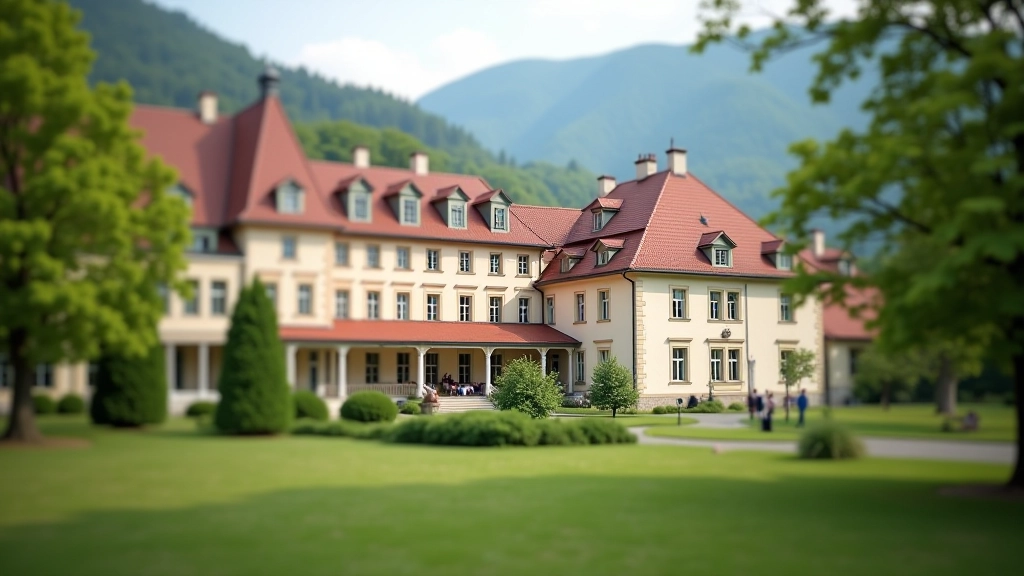
There's no "best" option — it depends on what you're looking for. Traditional Czech spa towns like Karlovy Vary and Mariánské Lázně have been treating guests for over a century. They've got the mineral springs, the experience, and usually a real spa culture built in.
When you're comparing places, look at these things: What's the actual duration? Most programmes run 10–14 days, but some offer shorter 5–7 day options. What treatments are included? Mud wraps, thermal bathing, massage, inhalation therapy — different locations specialise in different approaches. And practically speaking, how far is it from where you live? Travel stress shouldn't eat into your recovery time.
Don't get hung up on fancy marketing. Read recent visitor feedback, not just the glossy descriptions. People tend to mention if the therapists were knowledgeable, if meals were good, if it actually felt restorative.
Step 3: What to Pack & Prepare
Most sanatoriums provide robes and basic spa items. You'll still need a few personal things.
Clothing
Comfortable, loose clothes for after treatments. A light sweater or jacket — spa facilities can be cool between sessions. Walking shoes if you plan to explore the town. Most places ask you not to wear perfume or strong deodorants before treatments.
Personal Care
Bring your own toiletries if you have sensitive skin — sanatoriums usually provide basic options but you'll want your familiar products. Any prescribed medications in original containers. A moisturiser that works for you (thermal treatments can be drying).
Medical Items
Any prescription medications you take regularly. A basic first-aid kit with pain relief if you usually carry one. Your insurance card or medical identification if relevant. The sanatorium will have a doctor on-site, but having your own records helps.
Optional But Nice
A book or audiobooks for downtime. Comfortable socks — yes, really. A journal if you like reflecting. Sunscreen and sunglasses for spa town walks. The sanatorium probably has WiFi, but don't plan to work — this is about disconnecting, not catching up on emails.
Step 4: Understanding What to Expect During Your Stay
A typical day at a sanatorium starts early — usually breakfast between 7–8 AM. Then you'll have your scheduled treatments. These might include thermal bathing (20–30 minutes in the mineral spring pools), massage therapy (30–45 minutes), mud wraps, or inhalation sessions with mineral-rich steam. There's usually a gap between treatments for rest.
You'll eat lunch and dinner with other guests — it's communal but relaxed. Some people make friends, others prefer keeping to themselves. Both are fine. Afternoons often have free time to explore the spa town, walk around, or just rest in your room.
Here's something nobody mentions until they arrive: you might feel tired for the first few days. That's actually normal. Thermal treatments are active work for your body. You're not ill, you're just adjusting. By day 4–5, most people report feeling noticeably better — less stiff, sleeping better, more energetic.
"I wasn't sure I'd notice much difference, honestly. But after the first week my knees felt less sore and I was sleeping through the night for the first time in months. The whole thing felt less like medical treatment and more like actually taking care of myself."
— Pavel, 52, first wellness stay in 2024
Step 5: Getting the Most From Your Stay
You've planned it, booked it, arrived — now here's how to actually benefit from it.
Follow the Schedule Seriously
The programme isn't random. Therapists order treatments in a specific sequence — usually starting with gentler options and building intensity. Skipping sessions or rearranging them without talking to the staff means you'll miss the intended progression. It's only 10–14 days. Stick with it.
Rest Between Treatments
Don't fill every free moment with activities. Your body's doing a lot of processing during treatments. Resting actually makes the therapies work better. Sit in the gardens, read, take a nap. This is the whole point.
Drink Water — Seriously, More Than You Think
Thermal treatments are dehydrating. Aim for at least 2–3 litres daily, more if you're exercising or it's warm. Mineral water from the spring is fine, but plain water works too. Proper hydration speeds recovery and reduces post-treatment soreness.
Talk to Your Therapist
They're not just there to apply treatments. Mention any discomfort, ask why they're recommending specific things, discuss what you hope to get from the stay. They can adjust intensity, suggest complementary techniques, and give you exercises to continue at home afterward.
Avoid Alcohol and Heavy Meals
Alcohol dehydrates you further and interferes with recovery. Heavy dinners make sleeping uncomfortable when your body's already working hard. Sanatorium meals are usually balanced for this reason — they're not fancy but they're designed to support what your body's doing.
Keep Notes on How You Feel
Write down simple observations — pain levels, sleep quality, energy, mood. By the end you'll have a clear picture of what actually changed. It's helpful for your doctor afterward and gives you something concrete to remember, not just vague impressions.

After You Return Home
This is where people often lose the benefits. You'll come home feeling great, then slip back into old patterns within weeks. That doesn't have to happen.
The sanatorium should give you exercises or stretches to continue. Do them. They're not complicated — usually 10–15 minutes daily. The consistency matters more than the intensity. You're maintaining what the thermal treatments started.
If they've recommended specific thermal or mineral water treatments you can access at home, consider it. Some Czech towns have public thermal pools or products derived from the springs. It's not quite the same as a full sanatorium stay, but it helps bridge the gap between visits.
Many people who do wellness stays make them annual or biennial. Your body responds better the second time because you understand what to expect. You'll relax faster, the treatments work more efficiently, and you'll probably book a slightly longer stay next time.
Ready to Plan Your First Stay?
The biggest hurdle is just deciding to do it. Once you've checked with your doctor, chosen a place, and sorted your packing, most of the uncertainty vanishes. What's left is the actual experience — and that's the good part.
Start with a 10–14 day programme at an established sanatorium. Don't overthink it. Go, follow the schedule, rest between treatments, drink water, and notice how your body responds. You'll learn what works for you, and that knowledge carries forward.
Explore More Wellness GuidesImportant Information
This guide is educational and informational only. It's not medical advice. Before booking any wellness stay or thermal treatment programme, consult your healthcare provider to confirm it's appropriate for your specific health situation. Every person's medical needs are different. Thermal treatments and sanatorium programmes may not be suitable for certain conditions — your doctor will advise you on this. Always follow the guidance of qualified therapists and medical staff at the sanatorium you choose.